
The allure of Artificial Intelligence is undeniable. Headlines scream of unprecedented efficiency, revolutionary products, and transformative customer experi...
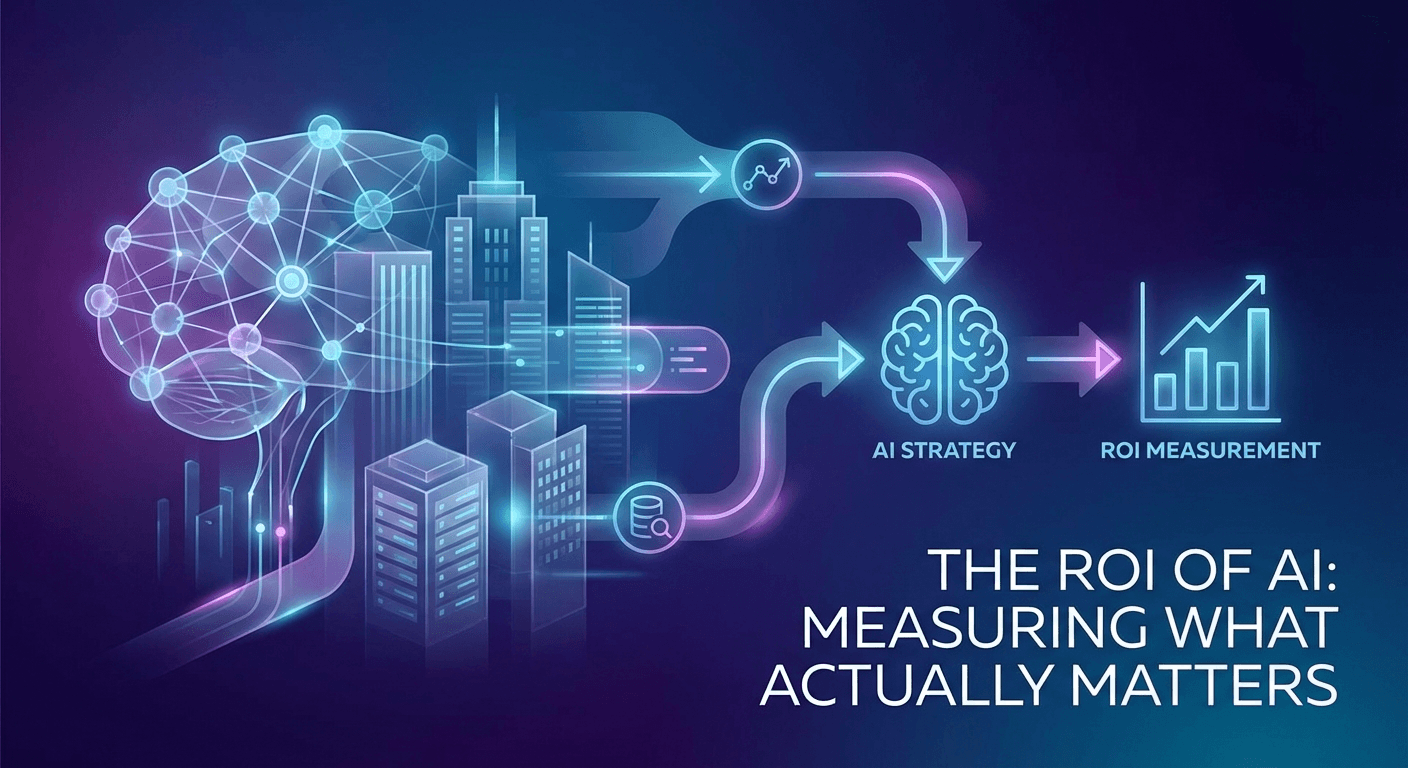
The allure of Artificial Intelligence is undeniable. Headlines scream of unprecedented efficiency, revolutionary products, and transformative customer experiences. But behind the hype, a critical question lingers: what is the actual ROI of AI investments? Too often, organizations fall into the trap of measuring vanity metrics, missing the true indicators of success and potentially squandering significant resources. This article delves into the heart of AI ROI, offering a framework for measuring what truly matters and navigating the path to genuine, sustainable value.
Beyond the Hype: Defining Meaningful AI ROI
Traditional ROI metrics, while valuable in other areas of business, often fall short when applied to AI. Focusing solely on cost reduction or incremental improvements can obscure the bigger picture. We need to move beyond simple calculations and embrace a more holistic view that considers the long-term strategic impact of AI.
Instead of asking "How much money did we save?", we should be asking:
- Has AI fundamentally improved our decision-making capabilities? Are we making faster, more informed choices that lead to better outcomes?
- Has AI unlocked new revenue streams or business models? Are we leveraging AI to create innovative products, services, or experiences that generate new value?
- Has AI enhanced our competitive advantage? Are we differentiating ourselves in the market through AI-powered solutions that are difficult for competitors to replicate?
The answer to these questions requires a deeper understanding of how AI integrates into the core fabric of the organization and how it contributes to strategic goals. This is where the concept of being "AI-Native" becomes crucial.
Embracing the AI-Native Mindset
An "AI-Native" organization doesn't just bolt AI onto existing processes; it builds its entire operating model around AI. This requires a fundamental shift in mindset, culture, and capabilities.
Key Takeaway: Becoming AI-Native means embedding AI into the DNA of your organization, not just adding it as an afterthought.
Here are some key characteristics of an AI-Native organization:
- Data-Driven Culture: Data is treated as a strategic asset, and decisions are informed by data insights.
- Agile Experimentation: A culture of experimentation and continuous learning is fostered, allowing for rapid iteration and improvement.
- Cross-Functional Collaboration: AI projects are driven by collaborative teams that bring together diverse skills and perspectives.
- Ethical Considerations: AI is developed and deployed responsibly, with careful consideration for ethical implications.
By embracing these principles, organizations can unlock the full potential of AI and achieve a significantly higher ROI. NeuralEDGE believes in fostering this AI-Native mindset in all our clients.
A Framework for Measuring True AI ROI
Learn more about AI Support and Maintenance.
Measuring the ROI of AI requires a multi-faceted approach that goes beyond simple financial metrics. Here's a framework that incorporates both quantitative and qualitative factors:
Learn more about Contact NeuralEDGE.
- Define Clear Objectives: What specific business outcomes are you hoping to achieve with AI? Be specific and measurable. For example, instead of "improve customer service," aim for "reduce customer churn by 15%."
- Identify Key Performance Indicators (KPIs): Select KPIs that directly reflect the impact of AI on your defined objectives. These KPIs should be tracked regularly and compared against baseline data.
- Assess Qualitative Impact: Consider the non-financial benefits of AI, such as improved employee satisfaction, enhanced brand reputation, and increased innovation.
- Monitor Long-Term Trends: AI ROI is not always immediate. Track the long-term impact of AI investments over time to identify trends and adjust your strategy accordingly.
Learn more about Free AI Strategy Session.
Key Takeaway: Measure both the tangible and intangible benefits of AI to get a complete picture of its ROI.
This framework provides a more comprehensive understanding of the true value of AI and helps organizations make informed decisions about future investments.
Avoiding the Pitfalls: Common Mistakes in Measuring AI ROI
Many organizations struggle to accurately measure AI ROI due to common pitfalls. Here are a few to avoid:
- Focusing on Short-Term Gains: AI often requires a long-term investment horizon. Don't get discouraged by initial setbacks.
- Ignoring Data Quality: AI is only as good as the data it's trained on. Ensure your data is accurate, complete, and relevant.
- Lack of Alignment with Business Strategy: AI projects should be aligned with overall business goals and priorities.
- Overlooking the Human Element: AI should augment human capabilities, not replace them entirely.
By avoiding these pitfalls, organizations can improve their chances of achieving a positive and sustainable AI ROI. Furthermore, understanding that being "AI-Native" involves a cultural shift is paramount.
Conclusion: Unlock Your AI Potential with NeuralEDGE
Measuring the ROI of AI is not a simple task, but it is essential for maximizing the value of your investments. By embracing an AI-Native mindset, adopting a comprehensive measurement framework, and avoiding common pitfalls, you can unlock the full potential of AI and drive significant business outcomes.
Ready to transform your organization into an AI-Native powerhouse? NeuralEDGE offers expert consulting services to help you define your AI strategy, implement AI solutions, and measure your ROI. Contact us today for a free consultation and discover how we can help you achieve your AI goals.
Topics
Written by
NeuralEDGE Team
Published on Feb 5, 2026 · 4 min read · 833 words